
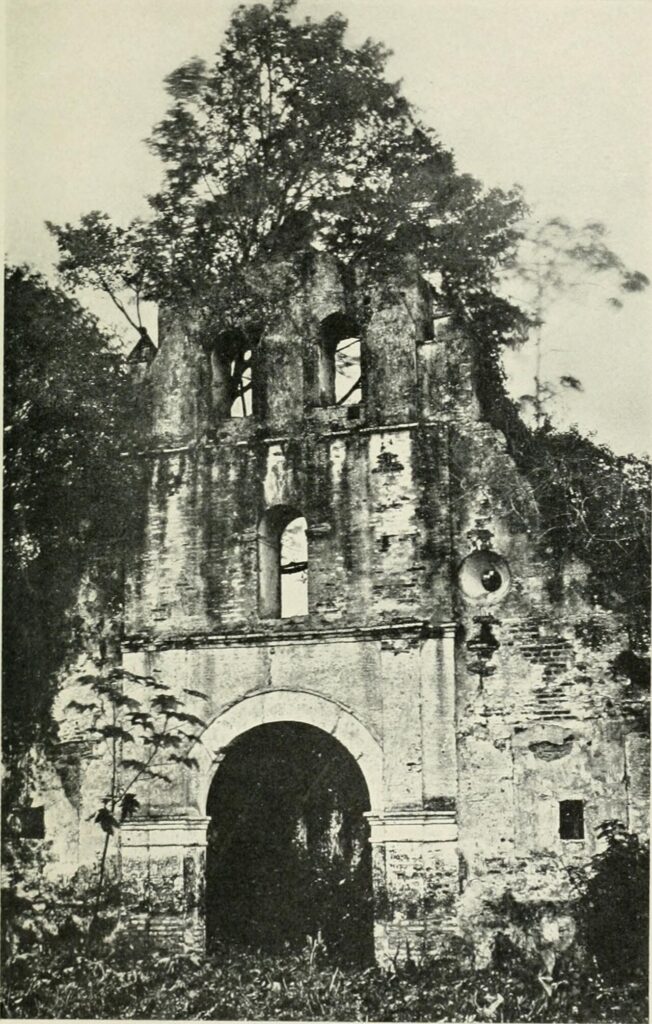
Panama and Costa Rica are the two most popular retirement destinations in Central America, and they attract very different types of people. Both offer pleasant climates, English-speaking expat communities, affordable private healthcare, and straightforward residency programs. But the differences matter — in cost, lifestyle, tax treatment, and how easy each country makes the actual process of getting settled. This is a direct comparison across every dimension that matters to retirees, without the promotional spin.
Side-by-Side Comparison
| Factor | Panama | Costa Rica |
|---|---|---|
| Currency | US Dollar — no exchange risk | Costa Rican Colón (fluctuates) |
| Retirement visa income req. | $1,000/mo pension (Pensionado) | $1,000/mo pension or $2,500 guaranteed income |
| Tax on foreign income | None (territorial system) | None for most retirees |
| Comfortable budget (couple) | $2,500–$3,500/mo | $2,800–$4,200/mo |
| Foreign property ownership | Full title rights, same as citizens | Full title rights, same as citizens |
| Healthcare | JCI-accredited private hospitals | Strong CAJA public system + private |
| Flight from US East Coast | 3–4 hours (Copa hub) | 5–6 hours |
| Internet / infrastructure | Strong in cities and beach towns | Variable outside San José |
Cost of Living
Panama is generally 10–20% cheaper than Costa Rica at a comparable lifestyle level. The biggest reason is the US dollar — your pension arrives and spends in the same currency, with no exchange math. Rent in comparable expat communities runs roughly $100–$300/month lower in Panama. Groceries are slightly cheaper in Panama, particularly imported goods, because Panama’s Colón Free Trade Zone keeps prices down. For a detailed breakdown, see our full Panama cost of living guide.
The Retirement Visa
Both countries offer pension-based residency with a similar $1,000/month income threshold, but Panama’s Pensionado Visa is the more attractive package. The difference is the discount program — Panama mandates permanent discounts of 15–50% on healthcare, hotels, restaurants, transport, and utilities by law. Costa Rica’s Pensionado program offers some discounts but the package is narrower and less consistently applied. Panama’s process has also been refined over 30+ years of handling expat applications, which makes it more predictable. Costa Rica’s immigration has faced more backlog issues in recent years.
Healthcare
This is where Costa Rica has a genuine advantage for some buyers. Costa Rica’s public CAJA healthcare system allows legal residents to enroll for roughly $50–$100/month — quality is variable, with longer specialist wait times, but it works for routine care. Panama has no public system option for expats; you use private hospitals exclusively. Panama’s private hospitals (including one affiliated with Johns Hopkins) are excellent and significantly cheaper than the US, but you need private insurance or cash. For a healthy retiree, Panama’s private system with Pensionado discounts is very affordable. For someone with significant chronic conditions who wants a low-cost safety net, Costa Rica’s CAJA is a different kind of security.
Real Estate
Both countries allow full foreign ownership. Panama’s market offers more variety at lower price points — beachfront lots in Pedasí from $40,000, surf community properties in Playa Venao from $80,000, established beach town condos in Coronado from $90,000. Costa Rica’s established expat beach areas (Tamarindo, Manuel Antonio) have appreciated sharply and now carry prices comparable to US beach communities — $200,000–$500,000 for desirable properties. Panama still offers more room for appreciation, particularly in Pacific coast towns in earlier stages of development.
Lifestyle and Climate
Costa Rica’s appeal is its natural environment — rainforests, volcanoes, biodiversity, and cooler highland areas like the Central Valley (year-round 20–25°C / 68–77°F). Panama’s mountain equivalent is Boquete — a highland coffee town with very similar temperatures and landscapes, on a smaller scale. Panama’s Pacific beaches tend to be hotter and drier, with a distinct dry season (December–April) and a rainy season (May–November). Panama City is more cosmopolitan than San José — more modern infrastructure, more international restaurants, and a stronger financial and business sector.
Which One Is Right for You?
Choose Panama if you want no currency risk, the most generous retirement visa discount package, proximity to the US, more affordable real estate with upside potential, or a cosmopolitan city nearby. Choose Costa Rica if you want access to the public healthcare system, prefer a cooler highland climate, or prioritize biodiversity and national parks as a core lifestyle element.
Most people who compare the two end up in Panama — largely because of the dollar and the Pensionado discounts. But the right answer depends on your health situation, lifestyle priorities, and where you feel at home. Start your Panama research with our guide to retiring in Panama and the Pensionado Visa requirements.
Related Reading
🌴 Interested in Panama Real Estate?
Get a free consultation — property prices, visa options, and trusted agent contacts for your area. No spam, ever.
Prefer to chat right now? 💬 WhatsApp us directly